About me
As a digital product designer and UX strategist, I envision better futures for digital products and their users. The end goal is always a better experience. Sure, business goals are important too, but your KPIs are dead in the water if you don't first provide a great experience.
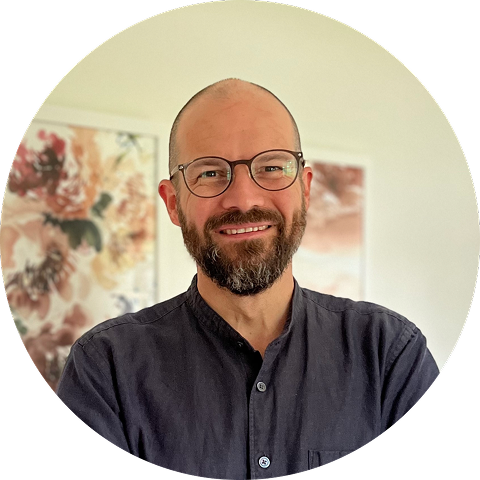
In 1998, I made a website for a college class I took. I was hooked right away. I guess you could say that's when I became a designer. Over the years, I continued to grow as a web professional, eventually focusing exclusively on digital design and user experience.
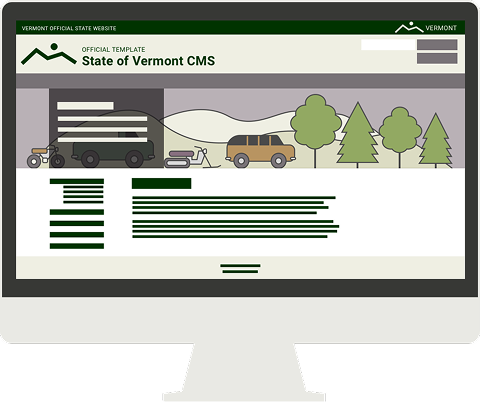
I've created websites, web and mobile applications, and online services that serve millions of people. In 2016, while working for Vermont.gov I designed and developed an award-winning Drupal CMS and design system that powers over 100 official government websites.
In 2017, I joined the team at CommunicateHealth, where — after a couple promotions — I became a UX design strategist. As the name implies, that's a strategic role, but design strategy is not "set it and forget it". To be the best strategist I can be, I need to be hands-on and embedded in the project. My strongest work happens in close collaboration with cross-function teams, clients, and stakeholders.
At the start of 2026, CommunicateHealth was absorbed by Lumina Corps and I became a Lumina Corps employee. Unfortunately, this turned out to not be a good fit and in early March, Lumina and I parted ways.
At CommunicateHealth, I was fortunate to lead UX design for many high-impact and award-winning products. Our mission — to improve lives by designing health information that's easy to understand and use — was something I was truly passionate about. Check out my portfolio for specific examples.
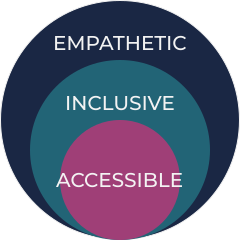
I believe strongly that good product design needs to be accessible, inclusive, and empathetic. If your product doesn't deliver on these 3 key aspects, adoption and usage won't be where you need them to be — and that will ultimately impact the bottom line. Finding out you missed the mark after launch is way too late. To avoid that, I follow an equity-centered design process, which is similar to human-centered design, but focuses even more on these three concepts. There's no substitute for talking to the people you design and build for. And doing usability testing early and often, is key to figuring out if you are delivering the best possible experience.
Human-centered and research-driven design tends to reveal interesting and complex challenges. I love this about my job and embrace the uncertainty it brings. It keeps me on my feet, and means that I'm always — and forever — learning.
If this all sounds like it's aligned with your mission and goals, I'd love to discuss how we can help each other. Please find me on LinkedIn, or send me an email.
Let's figure it out together.